By continuing to use the site, you allow the use of Cookies and agree to the privacy policy.
.,о.,р..и.:г,.и.,н.;н.,а;,л.. .,н.:а,.х.,о.,д.;и.,т..с.:я,, ..н.;а., .,k;,i..b.:e,;r.,i.,s.,.;.r.:u,

Pollinosis

AddAnalogsCompare
Found 23 (23) ⓘFound 23 drug (23 of these, according to Kiberis statistics) in 0 selected books (authors) ... hide
  Effect Influence Cases ⓘ  Effect - how much the symptom improves in one treatment cycle on average. Example: drug Pain relief for cancer pain-Effectiveness (E) is high, but the effect (I) negative, because the patient will get worse over time.
Influence of the symptom on the outcome of the patient's treatment as a whole (i.e., the importance of the symptom). Example: menopause can not be cured (E low). But some means during menopause will be better than others (I high).
Cases - the number of investigated treatment results for a given complaint, on the basis of which the effect and effect were calculated. These cases have already passed automatic AI verification of data quality and reliability.
  • pollinosis
  • 73%+19%6   Hidden. Need a subscription
  • 69%+23%6 read Arsenicum iodatum
  • 63%+8%6 read Flower of Bach 33 Walnut
  • 61%+15%11 read Lycopodium clavatum
    • 88% +25% 4 with «inflammation»
    • On average: 61% 15% 11 
  • 58%+34%4 read Psorinum
  • 56%+10%5 read Nux vomica
  • 56%+24%38 read Sabadilla officinalis
    • 88% +34% 5 with «hot patient»
    • 74% +24% 11 with «cough»
    • 73% +26% 5 with «throat hurts»
    • On average: 56% 24% 38 
    • 41% +3% 9 with «sweating is increased»
    • 34% +5% 7 with «worse during day»
  • 54%+18%10 read Sepia officinalis
  • 50%+13%12 read Tuberculinum bovinum kent
  • 46%+15%7 read Sanguinaria canadensis
  • 43%+10%27 read Natrum muriaticum
    • 83% +27% 4 with «hot patient»
    • 61% +25% 10 with «sweating is increased»
    • 53% +43% 6 with «rashes around the mouth»
    • On average: 43% 10% 27 
    • 28% +2% 7 with «head swelling»
    • 27% +1% 5 with «eye swelling»
    • 24% -2% 8 with «swelling»
    • 20% -6% 10 with «often sneezes»
    • 10% -22% 5 with «indecision»
    • 8% -7% 4 with «pain in the legs»
    • 8% -7% 4 with «sensations in the legs»
    • 8% -7% 4 with «sensations in the extremities»
  • 40%+0%23 read Phosphorus
    • 73% +11% 4 with «no thirst»
    • 59% +4% 4 with «transparent snot»
    • 53% +11% 7 with «itchy eyes»
    • On average: 40% 0% 23 
    • 31% -6% 5 with «itchy skin»
    • 19% -15% 4 with «lazy»
    • 16% -19% 4 with «media aversion to eggs»
  • 39%-8%11 read Lachesis muta
    • 82% +21% 3 with «headaches»
    • 79% +9% 4 with «cough»
    • On average: 39% -8% 11 
    • 14% -20% 4 with «nasal congestion»
    • 1% -27% 4 with «lacrimation»
  • 35%-12%12 read Euphrasia officinalis
  • 34%+10%10 read Calcarea carbonica
    • 94% +20% 4 with «likes sweets»
    • 58% +27% 4 with «sweating is increased»
    • On average: 34% 10% 10 
  • 32%+0%7 read Silica terra
  • 30%-11%7 read Arsenicum album
  • 28%-10%9 read Causticum hahnemanni
  • 25%+2%26 read Pulsatilla nigricans
    • 59% +8% 4 with «feeling in the throat»
    • 56% +18% 6 with «skin problems»
    • 50% +14% 4 with «forgetfulness»
    • 50% +29% 4 with «dermatitis»
    • On average: 25% 2% 26 
    • 19% +14% 8 with «chilly»
    • 15% -1% 11 with «inflammation»
    • 14% +14% 4 with «anxiety»
    • 12% +3% 5 with «diseases of the gastrointestinal tract»
    • 11% -1% 6 with «likes sweets»
    • 9% +9% 4 with «bone deformation»
    • 6% -6% 7 with «transparent snot»
    • 6% -6% 7 with «watery discharge from the nose»
    • 3% -11% 10 with «nasal congestion»
    • 2% -10% 6 with «itchy eyes»
    • 0% +0% 4 with «can not sleep»
    • -11% -10% 6 with «inflammation of the eyes»
    • -13% -18% 5 with «conjunctivitis»
    • -15% +0% 4 with «worse during day»
    • -15% +0% 4 with «worse in morning»
  • 24%-23%6 read Kalium carbonicum
  • 20%-15%9 read Thuja occidentalis
  • 19%+6%30 read Sulphur
    • 55% +17% 10 with «itchy eyes»
    • 50% +11% 4 with «dermatitis»
    • 50% +12% 4 with «rash on the scalp»
    • 45% +6% 5 with «sweating is increased»
    • 45% +18% 5 with «crusts on the skin»
    • 41% +14% 4 with «allergic rash»
    • 39% +19% 4 with «responsible»
    • 37% +14% 6 with «rashes on the face»
    • 37% +12% 11 with «rashes on the head»
    • 35% +12% 5 with «red rash»
    • 33% +1% 7 with «likes sweets»
    • 33% +6% 10 with «often sneezes»
    • 32% +20% 9 with «inflammation»
    • 27% -4% 5 with «skin spots»
    • 25% +11% 8 with «nasal congestion»
    • On average: 19% 6% 30 
    • 7% +6% 7 with «cough»
    • 0% +22% 4 with «headaches»
    • 0% +9% 3 with «nails are layered»
    • 0% -11% 3 with «benign neoplasms»
  • -2%-2%4 read Allium cepa
  1. ICD-10 codes
  2. Description
  3. Symptoms
  4. Reasons
  5. Treatment
  6. Similar diseases
  7. Related clinical guidelines
  8. Basic medical services
  9. Clinics for treatment

Other names and synonyms

hay allergy, seasonal allergies, polynosis, pollinosis for flowering, allergic pollinosis.
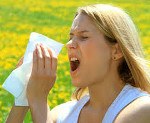
Pollinosis

ICD-10 codes

Description

 Поллиноз - это сезонное заболевание, причиной которого является аллергическая реакция на пыльцу растений.
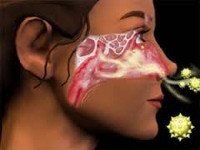
Pollinosis

Symptoms

 Симптомы поллиноза появляются практически в одно и то же время каждый год (сезонные обострения). Возникает водянистый насморк (часто раздражающий), покраснение глаз (конъюнктивит) с зудом, сильное слезотечение. Общие симптомы - усталость, раздражительность, першение в горле, кашель (как сухой так и влажный), частые приступы чихания или даже удушья. Редко - кожные проявления, высыпания, дерматит. Развиватся лихорадка (обычно субфебрильная), отсюда и произошло название заболевания.
 Заболевание очень часто путают с простудой, что затягивает обращение пациентов за профессиональной медицинской помощью порой на многие годы.
 Ассоциированные симптомы: Жжение кожи. Заложенность носа. Заложенность уха. Кожный зуд. Недомогание. Отек. Отек слизистой носа. Потеря обоняния. Раздражительность. Рвота. Тошнота. Чихание.

Reasons

 Причиной развития заболевания является пыльца преимущественно ветроопыляемых растений, так как это достаточно мелкие частицы размеров около 0,02 - 0,04 что облегчает их проникновение в дыхательные пути. В связи с этим поллиноз обычно развивается в весенне-летний период цветения различных растений.
 В фольклоре пациентов бытует представление о том, что симптоматику в мае-июне вызывает тополиный пух, который в силу своих размеров не может проникнуть в дыхательные пути. Помимо этого, пух является не пыльцой, а плодами тополя.

Treatment

 Различают два основных взаимодополняющих метода терапии:
 • Патогенетическая и симптоматическая терапия в период обострения, которая обычно включает применение антигистаминных препаратов и топических глюкокортикостеридов.
 • Аллерген-специфическая иммунотерапия причинно-значимым аллергеном, которая проводится вне периода обострения.

Similar diseases

Related clinical guidelines

42a96bb5c8a2acfb07fc866444b97bf1
Available only when using PRO account
Content moderator: Vasin A. S.


  1. Kiberis is NOT an online store and does NOT purchase, store, sell or deliver drugs. The resource acts only as an intermediary between you and the manufacturer of drugs or pharmacy points, which carry out the delivery.
  2. On Kiberis there are descriptions of drugs, some of which are intended only for doctors. This information cannot be used by patients to make decisions about the use of drugs, their cancellation or correction of dosages.
  3. Nothing in the information provided should be interpreted as a call to use these drugs.
  4. No claims can be made to Kiberis regarding any damage or harm incurred as a result of the use of the information posted on the site.