By continuing to use the site, you allow the use of Cookies and agree to the privacy policy.
.,о.,р..и.:г,.и.,н.;н.,а;,л.. .,н.:а,.х.,о.,д.;и.,т..с.:я,, ..н.;а., .,k;,i..b.:e,;r.,i.,s.,.;.r.:u,

Sharpe 's syndrome

AddAnalogsCompare
Found partially in the 35 (35) ⓘFound partially in the 35 drugs (35 of these, according to Kiberis statistics) in 55 selected books (authors) ... hide
  Effect Influence Cases ⓘ  Effect - how much the symptom improves in one treatment cycle on average. Example: drug Pain relief for cancer pain-Effectiveness (E) is high, but the effect (I) negative, because the patient will get worse over time.
Influence of the symptom on the outcome of the patient's treatment as a whole (i.e., the importance of the symptom). Example: menopause can not be cured (E low). But some means during menopause will be better than others (I high).
Cases - the number of investigated treatment results for a given complaint, on the basis of which the effect and effect were calculated. These cases have already passed automatic AI verification of data quality and reliability.
  • sharpe syndrome
  • 82%-1%4   Hidden. Need a subscription
  • 80%+30%13 read Belladonna
    • On average: 80% 30% 13 
    • 46% -11% 5 with «inflammation»
  • 72%+20%9 read Hepar sulphuris calcareum
  • 68%+21%19 read Arsenicum album
    • 95% +33% 4 with «dry cough»
    • 84% +28% 7 with «cough»
    • 83% +28% 9 with «abdominal pain»
    • 82% +30% 8 with «stomach pain»
    • On average: 68% 21% 19 
    • 52% +10% 7 with «headaches»
    • 44% -1% 9 with «eating and drinking»
    • 43% +1% 7 with «sensations in the extremities»
    • 41% -1% 4 with «discharge phobias»
    • 38% +13% 5 with «rashes on the head»
    • 32% -2% 7 with «better from heat»
    • 27% +0% 4 with «increased sensitivity»
    • 25% -5% 4 with «runny nose»
    • 22% -1% 4 with «lot of moles»
    • 14% -1% 5 with «worse during meals»
    • 14% -1% 5 with «worse food»
    • 12% -4% 3 with «worse from cold»
    • 12% -3% 3 with «impatient»
    • 12% -4% 3 with «pain is worse from the cold»
    • 7% -5% 4 with «chilly»
  • 67%+35%3 read Ignatia amara
  • 66%+20%15 read Nux vomica
    • 87% +26% 5 with «chilly»
    • On average: 66% 20% 15 
    • 53% +14% 7 with «eating and drinking»
    • 48% +1% 5 with «lower back pain»
    • 47% +2% 6 with «sensations in the extremities»
    • 47% +4% 4 with «aching bones»
    • 46% -1% 6 with «back pain»
    • 37% -5% 5 with «sensations in the legs»
    • 36% -7% 3 with «worse from movement»
    • 36% -7% 3 with «increased appetite»
    • 35% -4% 4 with «anxiety»
    • 30% -4% 4 with «impatient»
  • 57%+15%8 read Spigelia anthelmia
    • 82% +34% 4 with «pain in the left half of the face»
    • On average: 57% 15% 8 
  • 57%+22%11 read Calcarea carbonica
    • On average: 57% 22% 11 
    • 36% +5% 4 with «allergy»
  • 55%+2%17 read Phosphorus
    • 77% +25% 6 with «throat hurts»
    • 75% +3% 5 with «eating and drinking»
    • 70% +9% 4 with «thirst»
    • On average: 55% 2% 17 
    • 50% -10% 3 with «cold hands»
    • 47% -8% 4 with «cold extremities»
    • 35% -13% 4 with «feeling in the throat»
    • 26% -7% 5 with «pain in the left side of the body»
    • 26% -7% 5 with «pain throughout the body»
  • 55%+9%22 read Natrum muriaticum
    • 88% +22% 7 with «swelling»
    • 86% +37% 6 with «pain when moving»
    • 81% +31% 5 with «swelling on the head»
    • 78% +17% 7 with «worse during day»
    • 78% +32% 8 with «worse from movement»
    • 78% +1% 4 with «worse lying down»
    • 77% +16% 10 with «eating and drinking»
    • 75% +27% 4 with «puts pressure on the eyes»
    • 73% +29% 5 with «facial pain»
    • 71% +11% 7 with «chilly»
    • 68% +16% 7 with «warts»
    • On average: 55% 9% 22 
    • 44% +8% 6 with «grief»
    • 44% +8% 6 with «consequences of grief»
    • 28% -12% 5 with «hypertension»
    • 25% -13% 5 with «thirst»
  • 54%+2%7 read Natrum sulphuricum
  • 54%+16%7 read Mercurius solubilis
  • 53%+0%10 read Silica terra
  • 53%+8%23 read Sulphur
    • 96% +14% 4 with «chilly»
    • 94% +30% 3 with «pain in the knees»
    • 94% +19% 5 with «irritability during»
    • 94% +19% 5 with «irritability»
    • 94% +11% 3 with «nasal congestion»
    • 94% +11% 3 with «inflates the nostrils»
    • 94% +33% 3 with «apathy»
    • 93% +10% 4 with «itchy eyes»
    • 91% +9% 4 with «cold in the head»
    • 90% +23% 4 with «zpr fatigue from the disease»
    • 90% +23% 4 with «quickly gets tired»
    • 90% +10% 4 with «itchy skin»
    • 85% +37% 5 with «pain chest»
    • 84% +22% 5 with «runny nose»
    • 83% +21% 5 with «worse during day»
    • 82% +21% 6 with «feeling in the throat»
    • 82% +25% 6 with «worse from cold»
    • 81% +7% 4 with «drowsiness»
    • 79% +17% 7 with «headaches»
    • 75% +22% 7 with «abdominal pain»
    • 75% +15% 7 with «poor sleep»
    • 74% +13% 7 with «better from heat»
    • 73% +23% 9 with «inflammation»
    • 68% +23% 6 with «stomach pain»
    • 65% +13% 7 with «throat hurts»
    • 64% +10% 8 with «sensations in the legs»
    • 61% +14% 9 with «eating and drinking»
    • 60% +10% 10 with «sensations in the extremities»
    • On average: 53% 8% 23 
    • 27% -6% 6 with «pain throughout the body»
    • 27% -6% 6 with «pain in the left side of the body»
    • 18% -12% 5 with «likes sweets»
  • 52%-13%4 read Verbascum thapsus hahnemanni
  • 50%+13%34 read Pulsatilla nigricans
    • 96% +42% 4 with «pain in the nose»
    • 91% +11% 3 with «refusal to drink»
    • 91% +11% 3 with «no appetite»
    • 78% -7% 5 with «benign neoplasms»
    • 78% +37% 7 with «headache in the temples»
    • 70% +11% 5 with «infertility female»
    • 70% +4% 4 with «frequent urination at night»
    • 70% +4% 4 with «frequent urination during the day»
    • 69% +27% 8 with «facial pain»
    • On average: 50% 13% 34 
    • 41% +19% 9 with «pain throughout the body»
    • 41% +13% 11 with «poor sleep»
    • 40% +5% 10 with «diseases of the gastrointestinal tract»
    • 39% +1% 8 with «monthly painful»
    • 37% +3% 7 with «sensations in the hands»
    • 35% +3% 9 with «bloating»
    • 34% -7% 7 with «increased sensitivity»
    • 31% +7% 9 with «sensations in the legs»
    • 31% +20% 6 with «better lying down»
    • 31% +6% 9 with «chilly»
    • 28% +21% 4 with «the pain is worse lying down»
    • 27% -6% 9 with «worse from movement»
    • 27% -2% 8 with «pain in the legs»
    • 26% -12% 5 with «pain when moving»
    • 25% -1% 6 with «worse food»
    • 25% -1% 6 with «worse during meals»
    • 25% -8% 6 with «quickly gets tired»
    • 25% +10% 9 with «desire for fresh air»
    • 25% +4% 6 with «anxiety»
    • 25% -2% 6 with «lower abdominal pain»
    • 24% +8% 7 with «worse lying down»
    • 23% +8% 8 with «swelling»
    • 22% -4% 10 with «worse during day»
    • 20% +8% 6 with «rashes on the face»
    • 20% -6% 5 with «pain in the foot»
    • 19% -2% 6 with «emotional»
    • 19% -11% 4 with «worse in morning»
    • 19% +0% 7 with «rashes on the head»
    • 18% -10% 4 with «spasm»
    • 16% -3% 6 with «freezes»
    • 15% -1% 5 with «blurred vision»
    • 14% -11% 4 with «allergic rash»
    • 14% -11% 4 with «eczema»
    • 13% +6% 4 with «crusts on the skin»
    • 13% +1% 4 with «worried about loved ones»
    • 12% +1% 6 with «swelling of the legs»
    • 12% +1% 6 with «swelling of the extremities»
    • 11% -10% 5 with «worse at night»
    • 9% -6% 6 with «likes sweets»
    • 9% -3% 4 with «dyspnea»
    • 9% +6% 9 with «better from heat»
    • 7% -7% 8 with «allergy»
    • 7% +3% 4 with «dryness in the nose»
    • 6% -7% 5 with «palpitations»
    • 6% -14% 5 with «itchy skin»
    • 6% -9% 3 with «stubborn stubborn»
    • 5% -7% 3 with «exhaustion»
    • 5% +3% 4 with «tooth sensitivity»
    • 5% +2% 5 with «rashes dry»
    • 4% -7% 4 with «weather dependence»
    • 1% -13% 4 with «tachycardia»
    • 1% +1% 4 with «drowsiness»
    • 1% -8% 5 with «he feels his heart»
    • 1% +4% 4 with «hemorrhoids»
    • 0% +1% 3 with «responsible»
    • 0% +8% 4 with «better in afternoon»
    • -9% +17% 4 with «general weakness»
    • -11% -9% 5 with «hypertension»
    • -13% +8% 5 with «dizziness»
    • -15% +6% 4 with «imbalance»
  • 50%+5%3 read Argentum nitricum
  • 50%-6%8 read Arnica montana
  • 50%+9%18 read Lycopodium clavatum
    • 86% +34% 4 with «itchy skin»
    • 86% +34% 4 with «stomach pain»
    • 83% +18% 7 with «sensations in the extremities»
    • 83% +18% 7 with «sensations in the legs»
    • 81% +24% 6 with «worse from movement»
    • 75% +13% 4 with «cold legs»
    • 75% +5% 4 with «hot flashes»
    • 73% +19% 7 with «abdominal pain»
    • 67% +10% 7 with «pain in the legs»
    • On average: 50% 9% 18 
    • 31% +12% 7 with «inflammation»
    • 27% -2% 4 with «quickly gets tired»
    • 20% -6% 6 with «facial pain»
    • 9% -11% 4 with «worse at night»
    • 9% -16% 5 with «headaches»
    • 7% -14% 5 with «worse during day»
  • 50%-4%3 read Aconitum napellus
  • 47%-4%21 read Lachesis muta
    • 87% -17% 4 with «sensations in the hands»
    • 83% +27% 5 with «eating and drinking»
    • 81% -4% 4 with «worse during day»
    • 75% +14% 5 with «diseases of the gastrointestinal tract»
    • 73% -9% 4 with «anxiety»
    • 68% +26% 5 with «inflammation»
    • 67% -5% 5 with «stomach pain»
    • 65% -19% 6 with «sensations in the extremities»
    • On average: 47% -4% 21 
  • 46%+5%17 read Sepia officinalis
    • 70% +18% 6 with «abdominal pain»
    • 70% +14% 5 with «eating and drinking»
    • 62% +13% 5 with «chilly»
    • 61% +13% 6 with «monthly painful»
    • 60% +7% 5 with «sensations in the extremities»
    • 60% +7% 5 with «sensations in the legs»
    • On average: 46% 5% 17 
    • 34% -10% 8 with «headaches»
    • 31% -13% 6 with «inflammation»
    • 30% -13% 6 with «facial pain»
    • 14% -21% 4 with «likes sweets»
  • 45%+7%11 read Kalium carbonicum
    • 80% +10% 4 with «worse lying down»
    • 80% +12% 4 with «dry cough»
    • 76% +10% 5 with «cough»
    • 68% +9% 5 with «inflammation»
    • 61% +11% 7 with «headaches»
    • On average: 45% 7% 11 
    • 23% -6% 5 with «pain in the legs»
    • 17% -1% 4 with «back pain»
    • 17% -1% 4 with «lower back pain»
  • 43%+1%4 read Psorinum
  • 41%+2%8 read Thuja occidentalis
  • 41%+13%11 read Bryonia alba
    • On average: 41% 13% 11 
    • 15% +9% 6 with «worse during day»
  • 40%-4%6 read Staphysagria
  • 30%+3%4 read China officinalis
  • 30%+2%4 read Medorrhinum
  • 29%-12%11 read Causticum hahnemanni
  • 20%-15%9 read Colocynthis
  • 11%-25%15 read Rhus toxicodendron
    • 64% -4% 4 with «abdominal pain»
    • 55% -12% 4 with «diseases of the gastrointestinal tract»
    • 48% -5% 4 with «lower back pain»
    • 45% -8% 5 with «back pain»
    • 39% -26% 5 with «headaches»
    • 38% -17% 7 with «pain in the left side of the body»
    • 38% -17% 7 with «pain throughout the body»
    • 32% -21% 8 with «worse from movement»
    • 24% -22% 9 with «pain in the legs»
    • On average: 11% -25% 15 
    • 0% -25% 10 with «sensations in the extremities»
    • 0% -28% 6 with «facial pain»
    • -6% -27% 7 with «inflammation»
    • -6% -30% 7 with «neuralgia»
    • -15% -13% 4 with «better from heat»
    • -19% -34% 5 with «neuritis»
  • 0%-18%3 read Carcinosinum burnett
  • 0%-22%3 read Cimicifuga racemosa
  • -17%-35%5 read Carbo vegetabilis
  1. ICD-10 codes
  2. Description
  3. Additional facts
  4. Symptoms
  5. Possible complications
  6. Diagnostics
  7. Treatment
  8. Forecast
  9. Similar diseases
  10. Related standards of medical care
  11. Basic medical services
  12. Clinics for treatment
Sharpe 's syndrome

ICD-10 codes

Description

 Синдром Шарпа. Системное полисиндромное заболевание, сочетающее в себе отдельные проявления системной красной волчанки, дерматомиозита, склеродермии. Синдром Шарпа протекает с суставными, мышечными, кожными, висцеральными симптомами, синдромами Рейно и Шегрена. Диагноз синдрома Шарпа может быть установлен при наличии в крови пациентов аутоантител к рибонуклеопротеину - иммунологическому маркеру заболевания. Лечение синдрома Шарпа хорошо поддается глюкокортикостероидной терапии. Заболевание протекает относительно доброкачественно и обычно не приводит к тяжелым деструктивным поражениям.
Sharpe 's syndrome

Additional facts

 Синдромом Шарпа заболевают преимущественно женщины. Определяющими факторами развития синдрома Шарпа можно считать взаимодействие наследственной предрасположенности, эндокринных нарушений, провоцирующих агентов внешней среды (вирусной инфекции, стресса, травмы, переохлаждения ).
 Нарушение иммунного гомеостаза при синдроме Шарпа выражается дисбалансом иммунорегуляторных функций Т-лимфоцитов, крайне высоким титром аутоантител к рибонуклепротеину (РНП), циркуляцией иммунных комплексов и дальнейшим развитием системного воспаления.

Symptoms

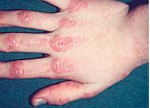
 Для клиники синдрома Шарпа характерно сочетание умеренно выраженных признаков синдрома Рейно, полимиозита, полиартрита, кожных и висцеральных поражений. У 85% пациентов ранняя фаза заболевания сопровождается синдромом Рейно, протекающим с плотным отеком кистей рук, однако, без тяжелых ишемических и некротических изменений дистальных фаланг пальцев и развития склеродактилии.
 Суставные проявления в виде рецидивирующих множественных артритов и артралгий при синдроме Шарпа у трети пациентов вызывают эрозивные изменения костей. Отмечается образование ревматоидных узелков и выявление ревматоидного фактора. Полимиозит при синдроме Шарпа характеризуется болями, мышечной астенией проксимальных отделов конечностей, уплотнениями мышц и хорошо поддается терапии глюкокортикостероидами.
 Висцеральная симптоматика протекает с дисфагией, вызванной гипотонией пищевода, и легочной гипертензией. В связи с прогрессированием легочной гипертензии обращает внимание появление одышки в покое и ее усиление при минимальной нагрузке; непродуктивный приступообразный кашель, торакалгия. Кожные проявления при синдроме Шарпа включают склеродермоподобные изменения, эритематозные пятна, телеангиэктазии, алопецию, дискоидную волчанку, периорбитальную пигментацию. В ряде случаев при синдроме Шарпа развивается поражение почек (диффузный гломерулонефрит), неврологические синдромы (асептический менингит, невралгия тройничного нерва), анемия, лимфоаденопатия, умеренные гепато- и спленомегалия.
 Ассоциированные симптомы: Боль в пальцах рук. Кашель. Ночная потливость у женщин. Одышка.

Possible complications

 Отягощенное течение синдрома Шарпа может быть связано с тяжелыми прогрессирующими висцеральными поражениями и их осложнениями: эзофагитом, стриктурами пищевода, инфарктом миокарда, почечной недостаточностью, инсультом, перфорацией толстой кишки.

Diagnostics

 Диагностирование синдрома Шарпа основывается на серологических и клинических признаках. Достоверным серологическим маркером синдрома Шарпа является получение положительной антирибонуклеопротеиновой реакции с гемаглютинационным титром 1:600 и выше. Неспецифическими биохимическими признаками служат повышение глобулинов (α2 и γ), фибрина, КФК, АСТ, серомукоида, альдолазы, сиаловых кислот, СРБ.
 К объективным клиническим симптомам относятся отечность кистей, миозит, синовит, акросклероз, синдром Рейно. Для несомненной диагностики синдрома Шарпа требуется наличие серологического маркера и трех клинических симптомов. В случае доминирования у пациента трех склеродермических признаков (синдрома Рейно, отека кистей и акросклероза) диагноз подтверждается наличием миозита или синовита.

Treatment

 Для выбора лечебной тактики при синдроме Шарпа необходима консультация ревматолога. В зависимости от характера поражений внутренних органов может дополнительно потребоваться консультация кардиолога, невролога или гастроэнтеролога. Рецидивирующий полиартрит и плеврит при синдроме Шарпа требует назначения НПВС, антималярийных препаратов, низкодозированных курсов преднизолона, иногда - метотрексата.
 Воспаление при полимиозите купируется с помощью преднизолона, реже - метотрексат и азатиоприна. При доминировании синдрома Рейно пациентам следует остерегаться провоцирующих агентов (замерзания, вибрации, вдыхания сигаретного дыма). С терапевтической целью используются вазодилататоры группы антагонистов сa (нифедипин).
 Лечение эзофагеальных нарушений при синдроме Шарпа заключается в назначении антацидных препаратов и диеты. При миокардите и ранних признаках легочной гипертензии показана терапия кортикостероидами и цитостатиками (циклофосфамидом). Прогрессирующее течение гипертензии малого круга требует введения простациклина, назначения ингибиторов АПФ и антагонистов кальция.

Forecast

 Обычно течение синдрома Шарпа условно благоприятно. Тяжелые поражения легких и почек, ведущие к летальному исходу, развиваются редко. Профилактика синдрома не разработана.

Similar diseases

Related standards of medical care

42a96bb5c8a2acfb07fc866444b97bf1